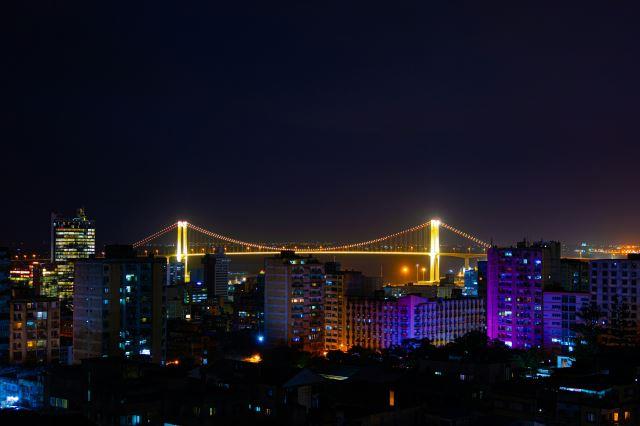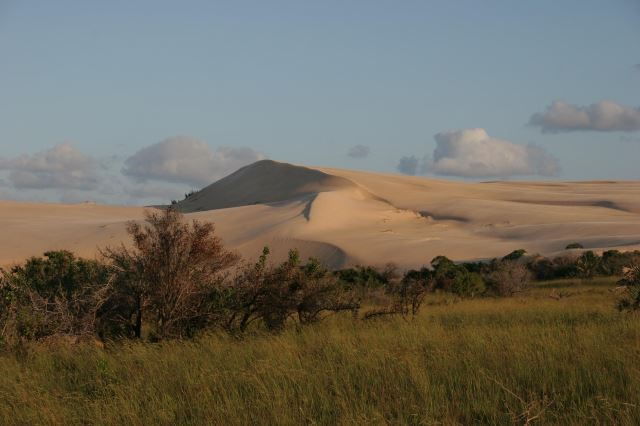

Nacala is a port city on the northern coast of Mozambique, in Nampula Province, overlooking the Indian Ocean. It stands beside Nacala Bay, a deep natural harbour that has made the city one of the country’s most important centres for maritime trade. The Port of Nacala handles cargo moving between Mozambique and inland southern Africa, supported by rail and road connections. Beyond the port, the city spreads across a landscape of sandy soils, low hills and tropical vegetation. Clear coastal waters, coral formations and beaches distinguish the shoreline from the busier industrial areas around the harbour.
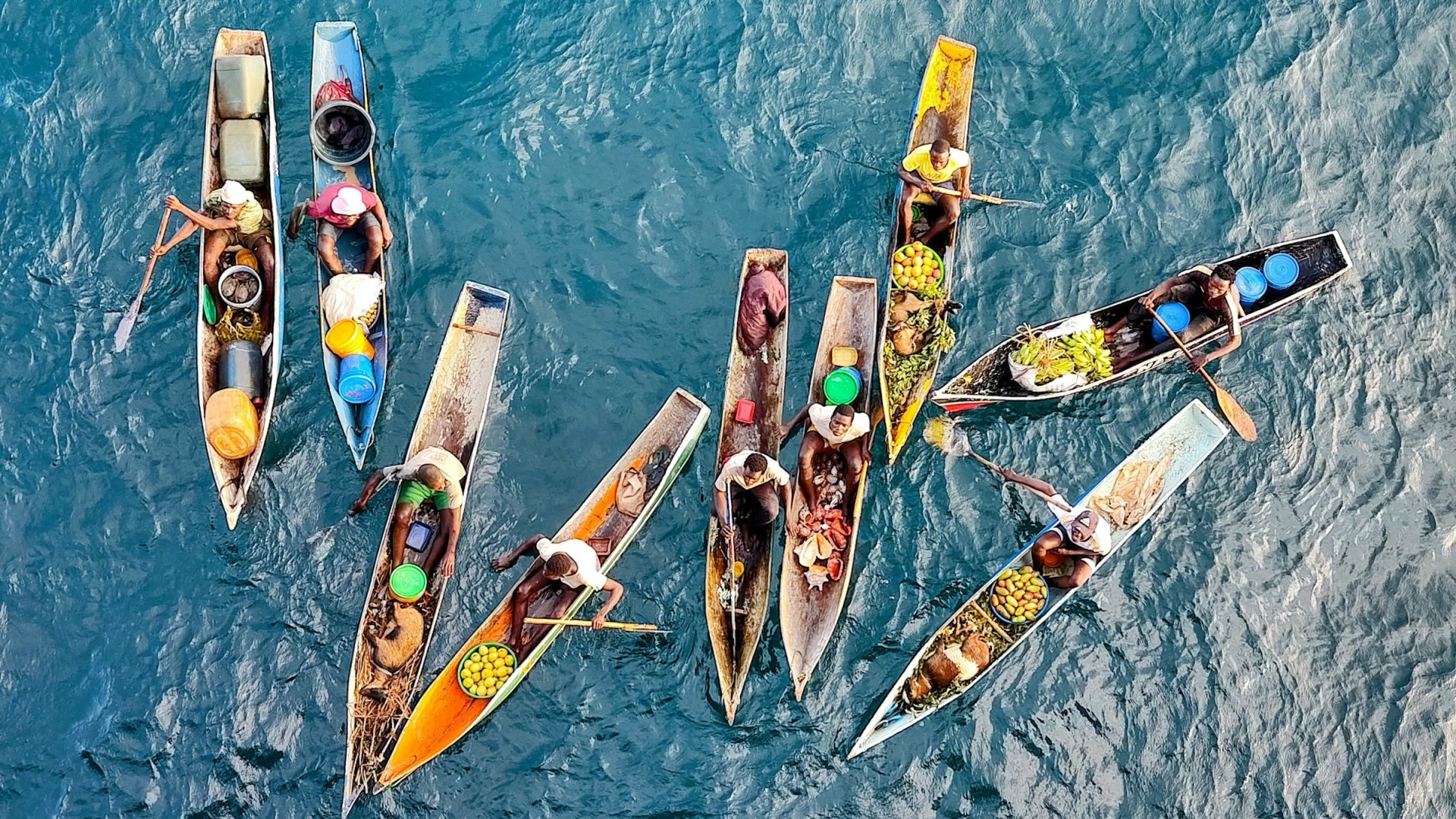
Nacala lies within a region strongly associated with the Makhuwa people, the largest ethnolinguistic group in Mozambique. Emakhuwa is widely spoken alongside Portuguese, and local traditions include music, dance, storytelling, pottery and woven crafts. The wider Nampula region has longstanding connections with Indian Ocean trade, which linked coastal communities with merchants from East Africa, Arabia and Asia. Fishing remains part of everyday life along the coast, where small boats operate alongside modern commercial shipping. Markets bring together fish, cassava, maize, beans, tropical fruit and other products from both coastal settlements and farming communities farther inland.
Nacala Bay is the city’s defining natural feature, forming a sheltered harbour with deep water close to shore. Beaches occur around the bay and along the nearby Indian Ocean coastline, while coral reefs and warm tropical waters support a variety of marine life. South of the city, the Nacala-a-Velha side of the bay combines smaller settlements with major port and railway infrastructure. Farther along the coast, mangroves and intertidal habitats provide feeding and nursery areas for fish and crustaceans. The region’s tropical climate produces a marked rainy season, which supports greener vegetation across the surrounding coastal plain.
Food in Nacala reflects both northern Mozambican agriculture and the resources of the Indian Ocean. Grilled fish, prawns and other seafood are commonly eaten with cassava, rice or xima, a thick porridge usually made from maize flour. Coconut milk is frequently used in coastal cooking, while peanuts, beans and cassava leaves contribute to sauces and stews. Matapa, prepared from cassava leaves and often combined with peanuts and coconut milk, is widely eaten in Mozambique.