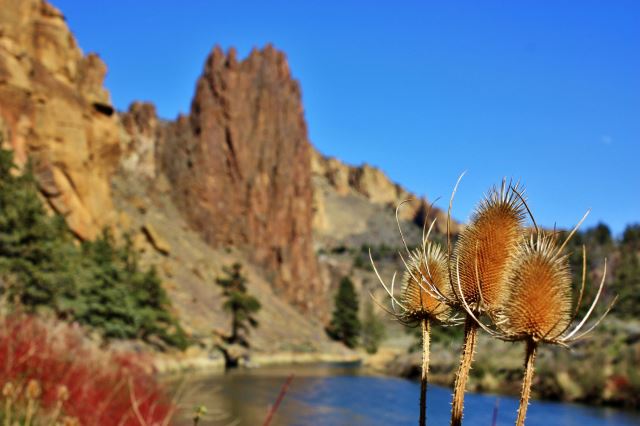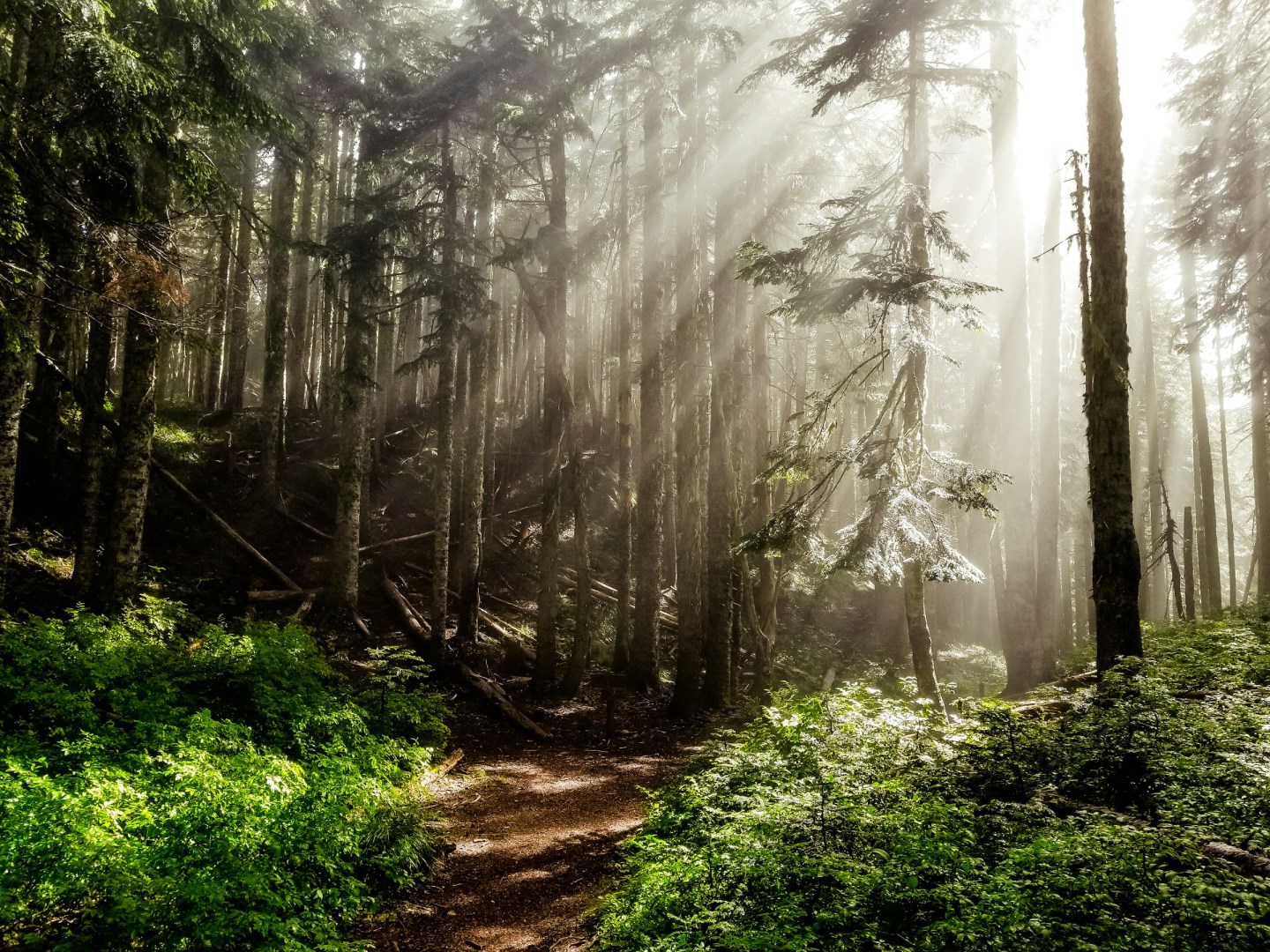

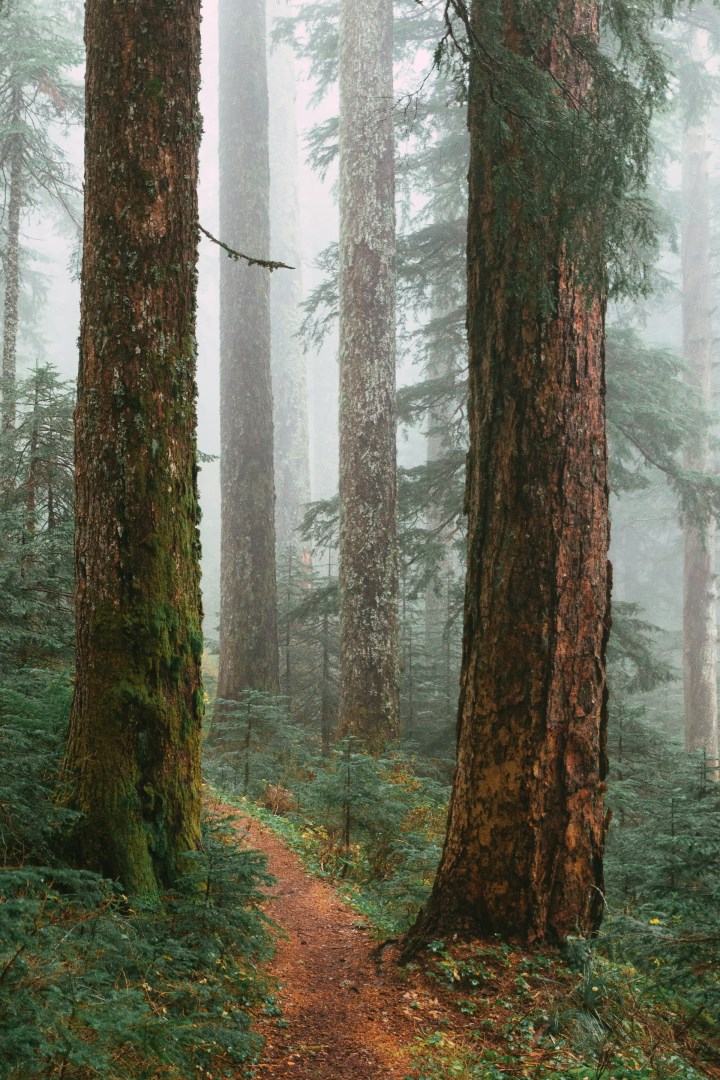
Mount Hood National Forest covers a large area of the Cascade Range east of Portland, centered on Mount Hood, Oregon’s highest peak. The forest contains volcanic mountains, deep river valleys, alpine meadows, dense conifer forests, and numerous lakes and streams. Mount Hood itself dominates the landscape, rising above surrounding foothills and visible from many parts of the region. The forest extends across a varied landscape that includes the Columbia River Gorge along its northern edge and the warmer, drier forests of central Oregon toward the east.
The forest has long been connected to the Indigenous peoples of the region, including the Warm Springs, Wasco, and Paiute communities whose traditional territories encompass parts of the surrounding landscape. The mountain itself has cultural significance for Indigenous peoples, while the forest continues to support tribal gathering, fishing, and other traditional activities in appropriate areas. Historic trails, fire lookouts, cabins, and former logging sites reflect later settlement and resource use. Today, recreation, conservation, forestry, and watershed protection are important parts of the forest’s management and identity.
Mount Hood National Forest contains a wide range of notable natural areas. The Timberline Trail circles Mount Hood, while the Pacific Crest Trail crosses the forest along the Cascade crest. Trillium Lake provides views toward Mount Hood, and the Clackamas, Sandy, and Hood rivers cut through forested valleys. The forest also includes the Badger Creek Wilderness, Salmon-Huckleberry Wilderness, and Mount Hood Wilderness, where old-growth forests, alpine terrain, and remote trails provide habitat for black bears, elk, deer, mountain goats, and numerous bird species. Winter brings skiing, snowshoeing, and snowmobiling to designated areas.
Food within the forest is closely connected to nearby communities and the agricultural lands of the Hood River Valley and Mount Hood region. Apples, pears, cherries, berries, hazelnuts, and locally produced cider are common products in surrounding towns. Foragers may also encounter wild berries and edible mushrooms, although collection is subject to forest regulations and seasonal conditions. A distinctive feature of Mount Hood National Forest is its range of ecosystems within a relatively compact area, from moist western forests and moss-covered river valleys to dry pine woodland and exposed alpine slopes near the mountain.