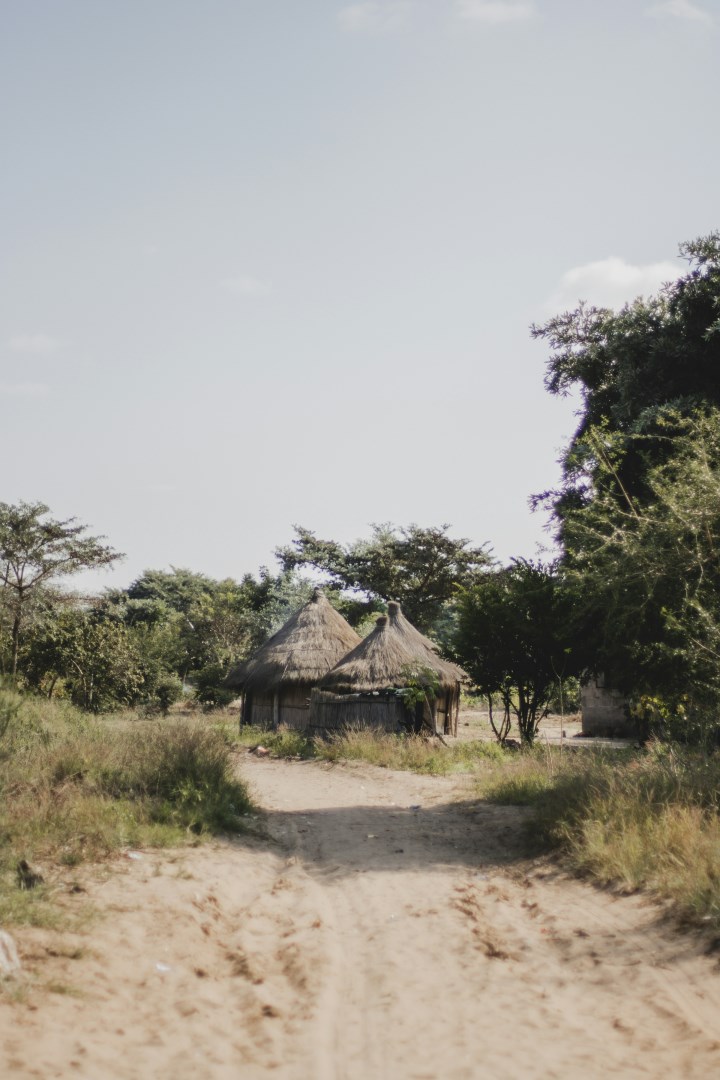

Gumbane is a rural community in southern Mozambique, in Inhambane Province, where sandy soils, woodland and cultivated plots shape much of the surrounding landscape. The area reflects the dispersed settlement pattern common across rural southern Mozambique, with family compounds connected by local roads and footpaths rather than a dense urban centre. Agriculture provides an important foundation for daily life, supported by small-scale livestock raising and the use of nearby natural resources. Inhambane Province extends eastward to the Indian Ocean, while its interior communities are characterized by a warmer, drier environment than the tropical coastal areas.
Gumbane forms part of a region where Tsonga-related cultural traditions have a strong presence. Xitsonga, commonly called Changana in Mozambique, is widely spoken across southern parts of the country alongside Portuguese, the national official language. Music and dance play important roles in community gatherings, weddings and other ceremonies, while oral traditions help pass family and local histories between generations. Basketry, woven mats and practical household objects made from locally available plant materials are also characteristic of rural crafts. Extended family networks remain important to social organization, particularly in communities where households depend closely on shared agricultural work.
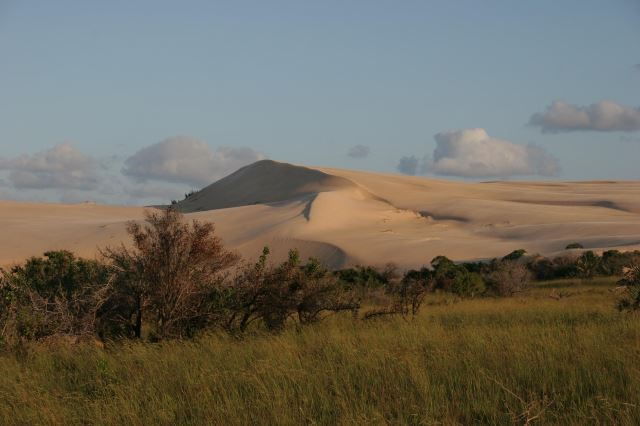
The environment around Gumbane is shaped by the broad coastal plain of southern Mozambique. Woodland and scrub alternate with fields planted near settlements, while seasonal rainfall influences both farming and local water supplies. Inhambane Province is known for cashew trees, coconut palms and other useful species, although vegetation varies between the drier interior and wetter coast. Farther east, the province reaches the Indian Ocean around places such as Inhambane Bay, Tofo and the Bazaruto Archipelago. Inland areas provide a contrasting landscape of sandy tracks, agricultural fields, scattered trees and small wetlands that expand during periods of heavier rainfall.
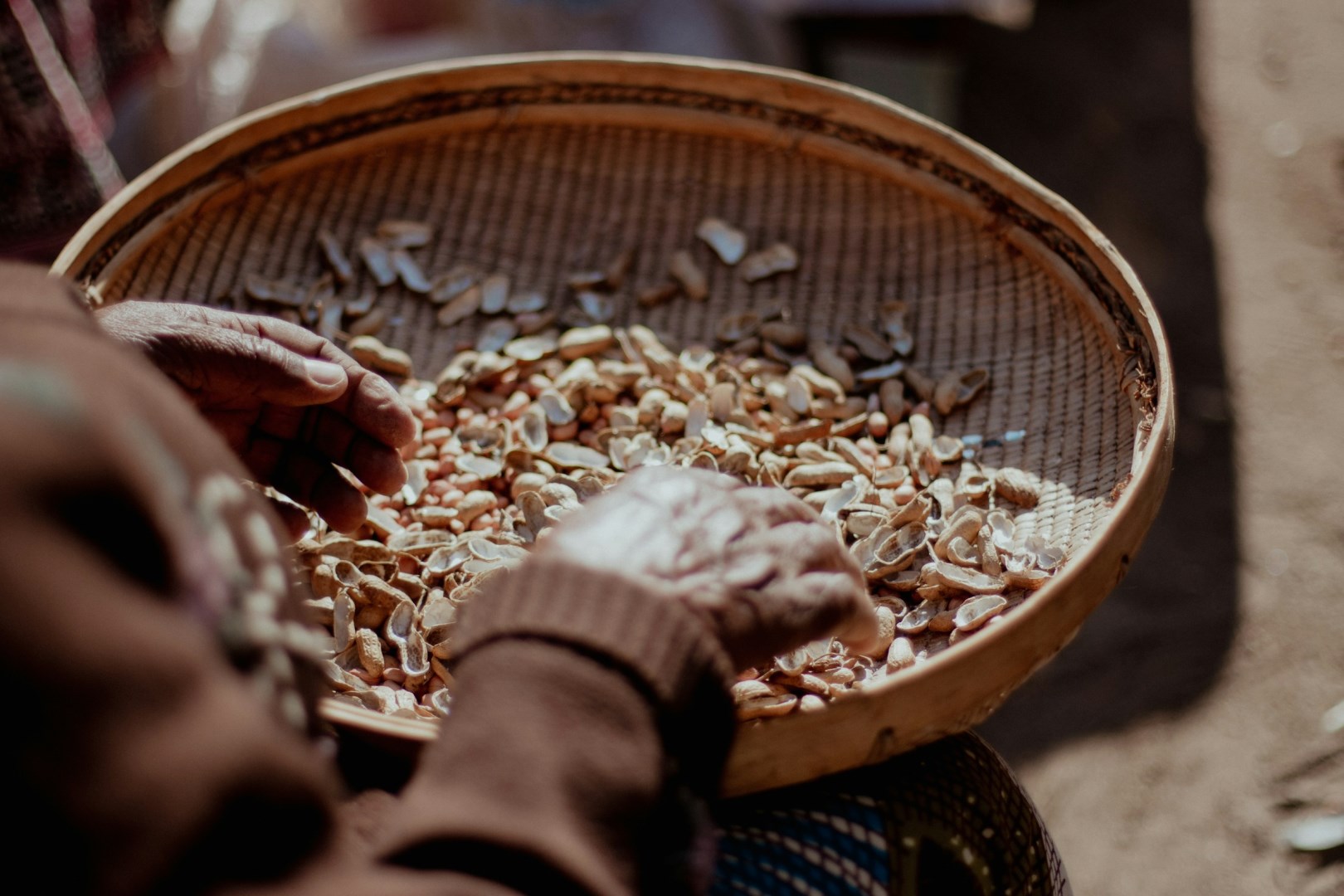
Food in rural Inhambane commonly relies on crops grown by households and small farmers. Cassava and maize are important staples, often accompanied by beans, leafy vegetables or sauces made with peanuts. Cashew nuts are another important regional product, while coconut is used more extensively toward the coast. Chicken and goat may be prepared for family gatherings and special occasions, and dried or fresh fish reaches inland communities through local markets.